


 For Mom
 For Dad
 For your partner
 For her
 For him
 For a friend
 For a coworker
 For a teacher
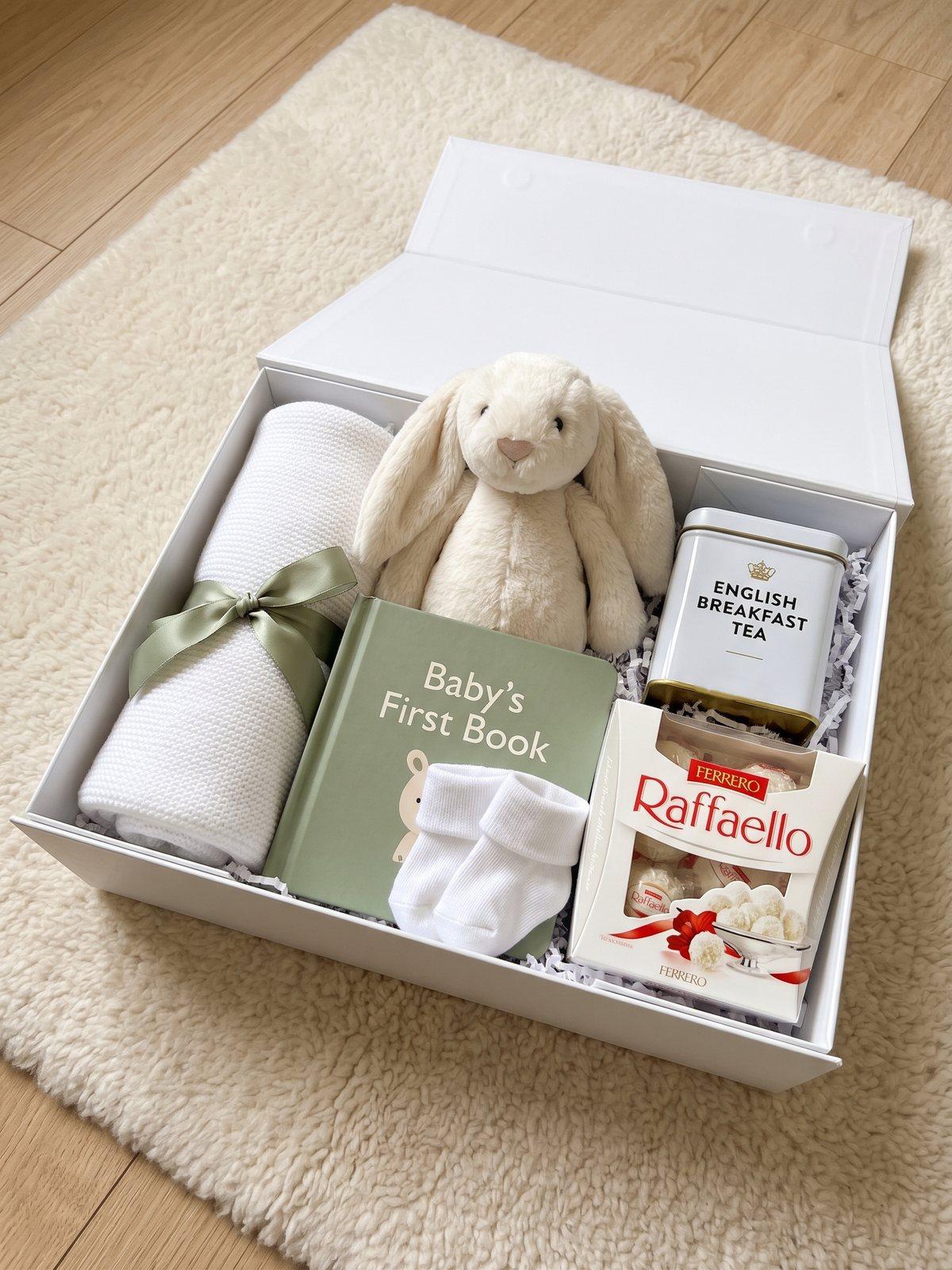 For new parents
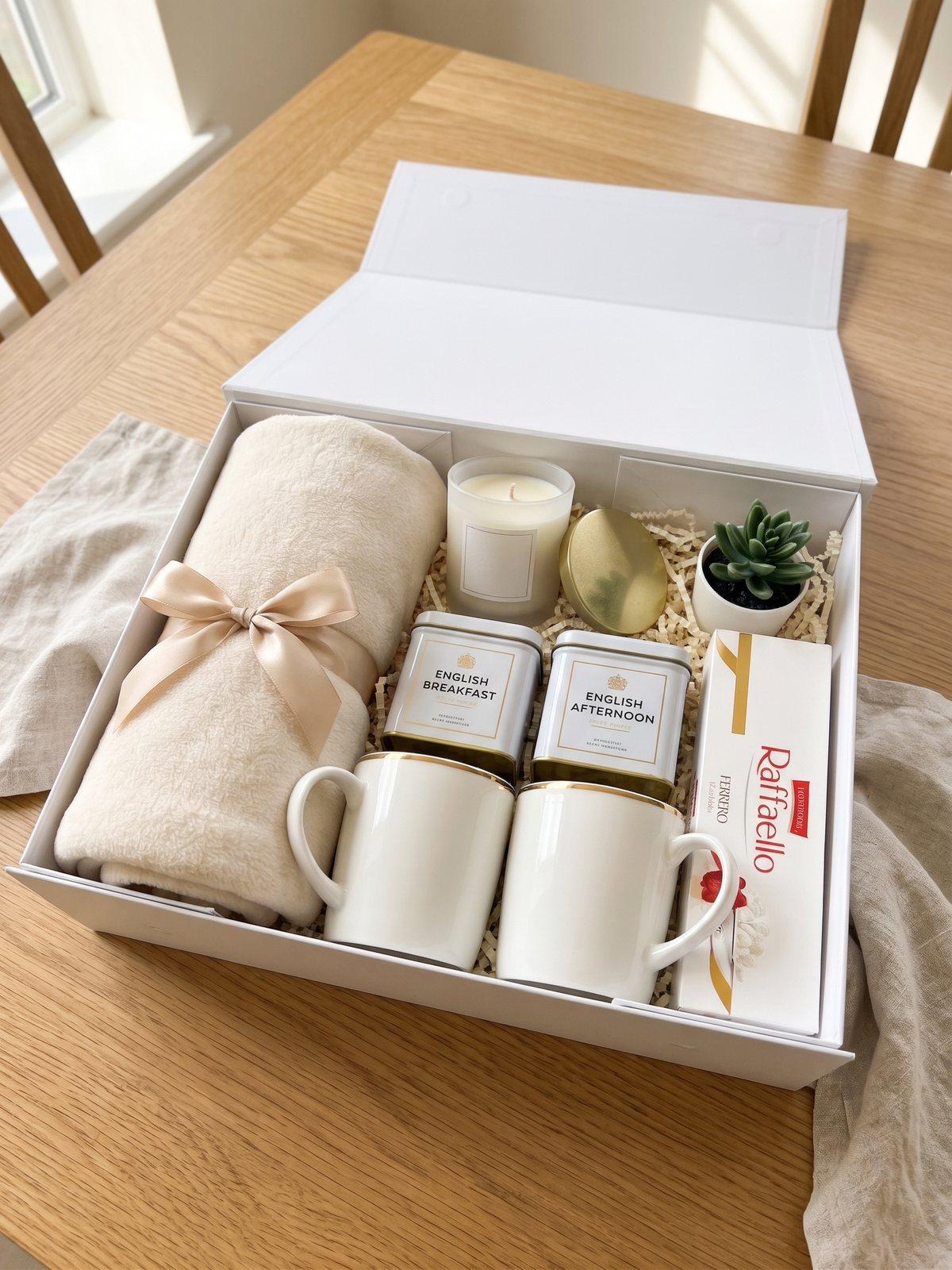 For the family
 For grandparents
 For clients



How to Send Holiday Cards to Clients in Canada: The List, Postage, Addresses and Timing
If the client cards landed on your desk this year, here is the whole job in order, with Canada Post's own 2026 stamp prices and mailing dates, an envelope set out the way Canada Post asks, and a calculator for what doing it yourself costs. I write holiday cards by hand for companies, so the last part is mine, but every step works without me.
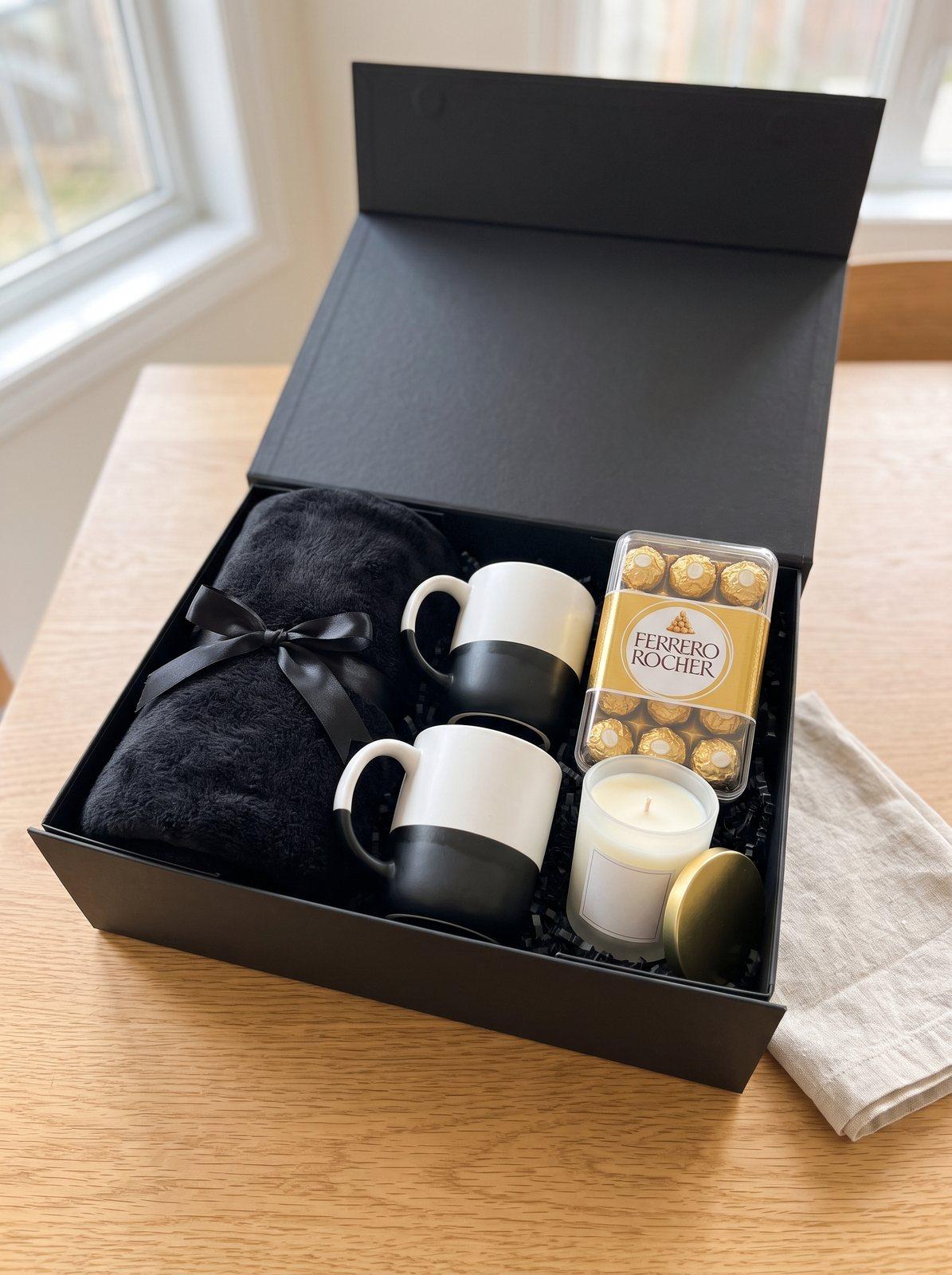
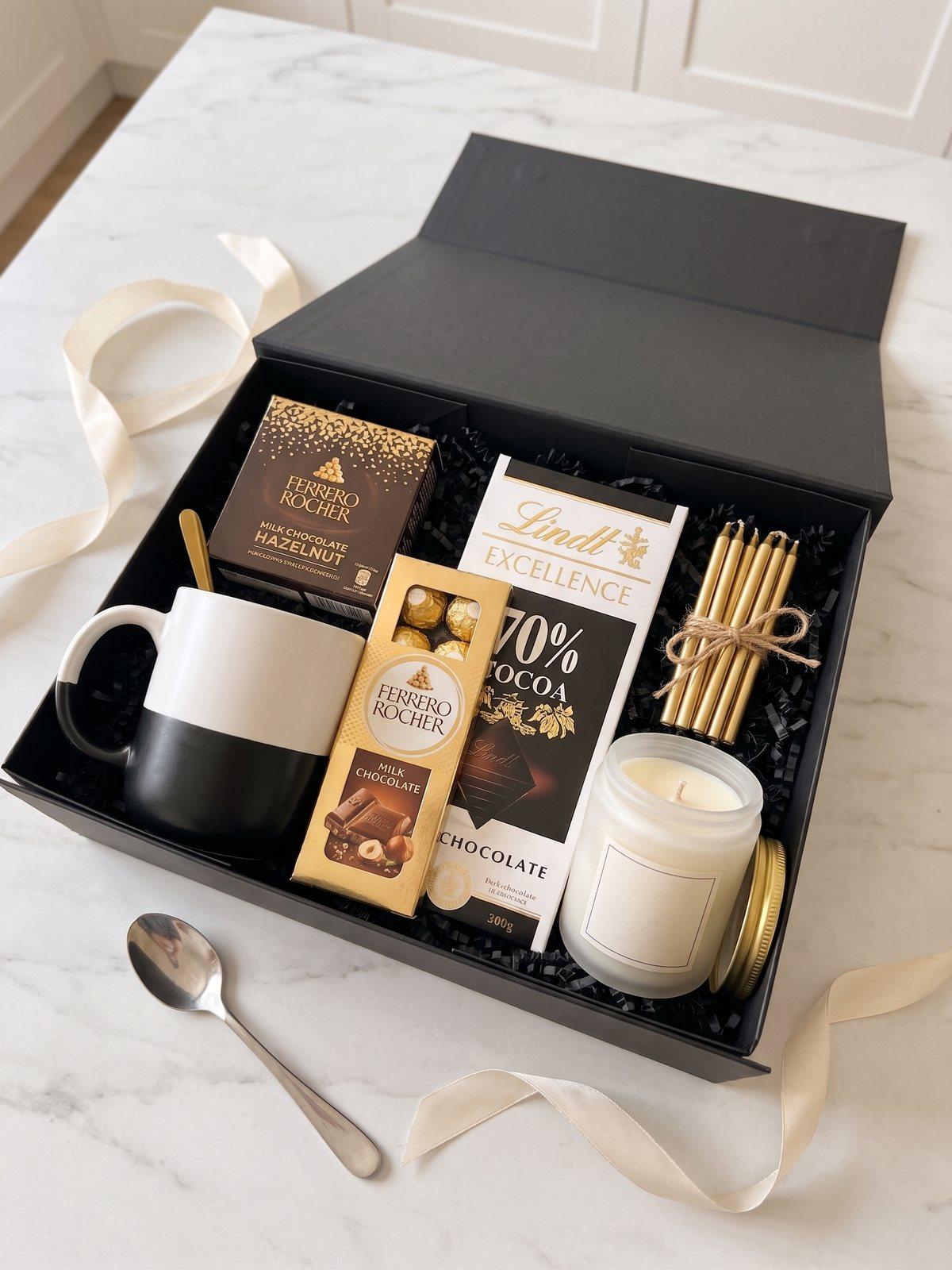
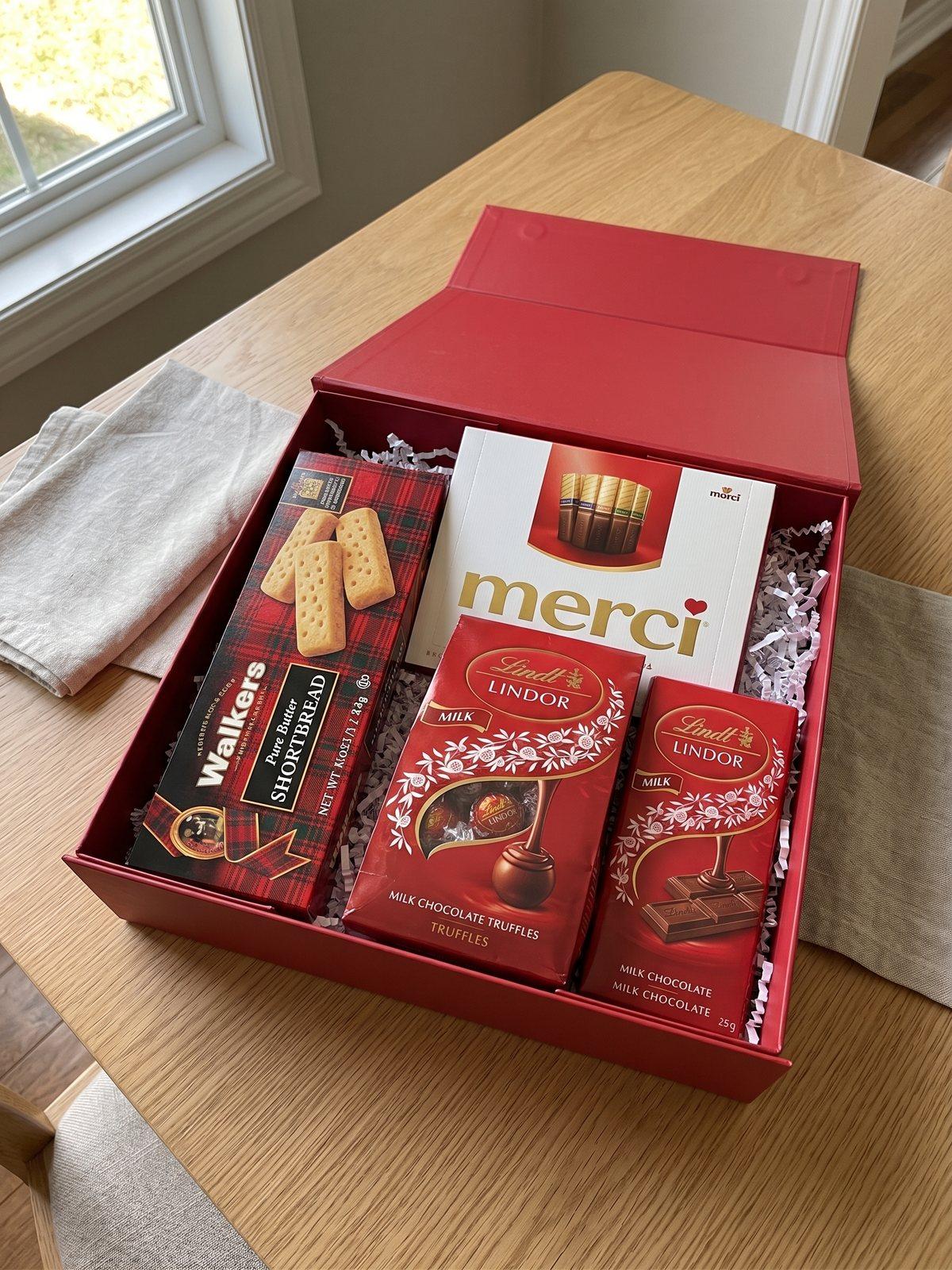
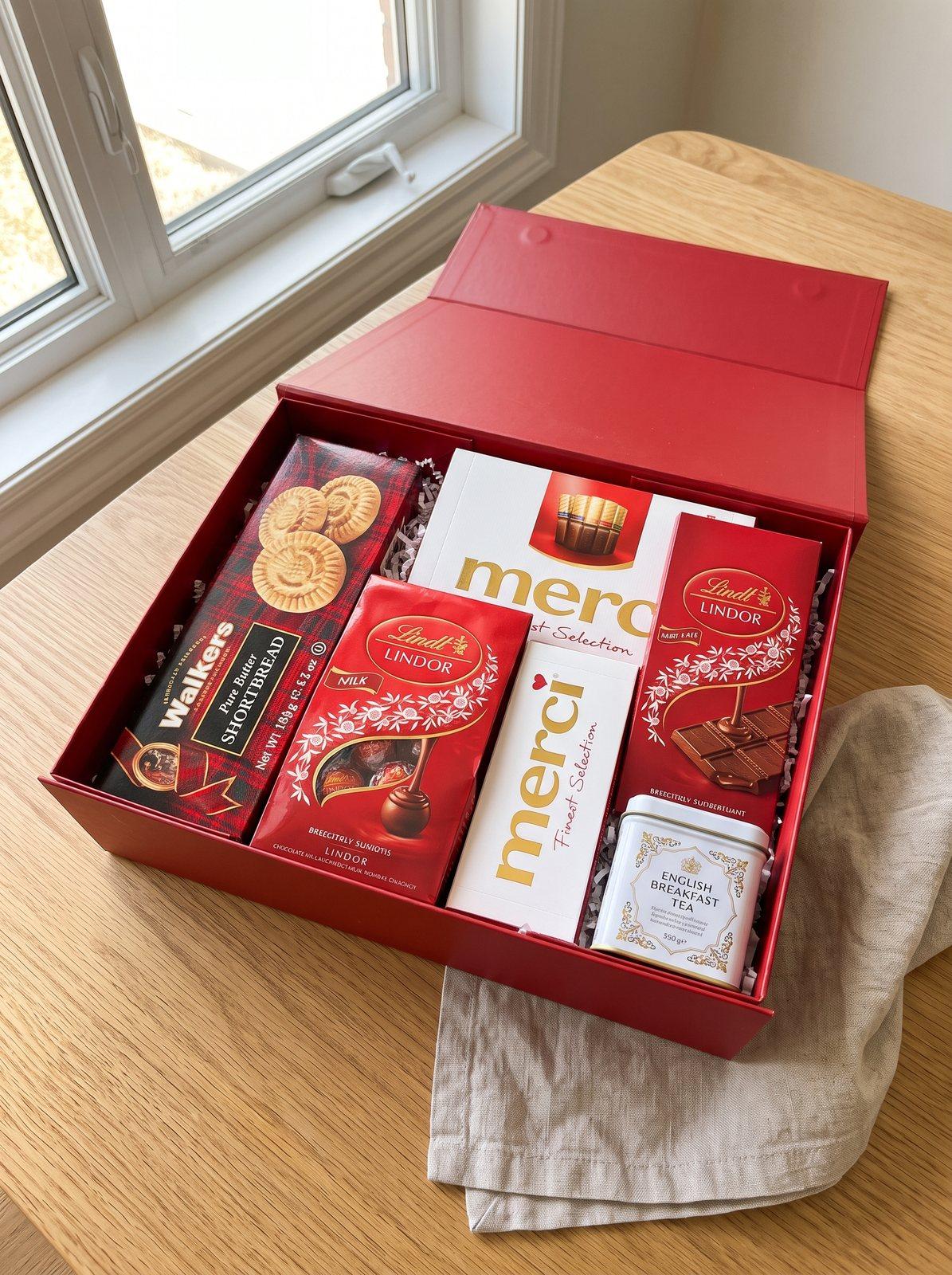
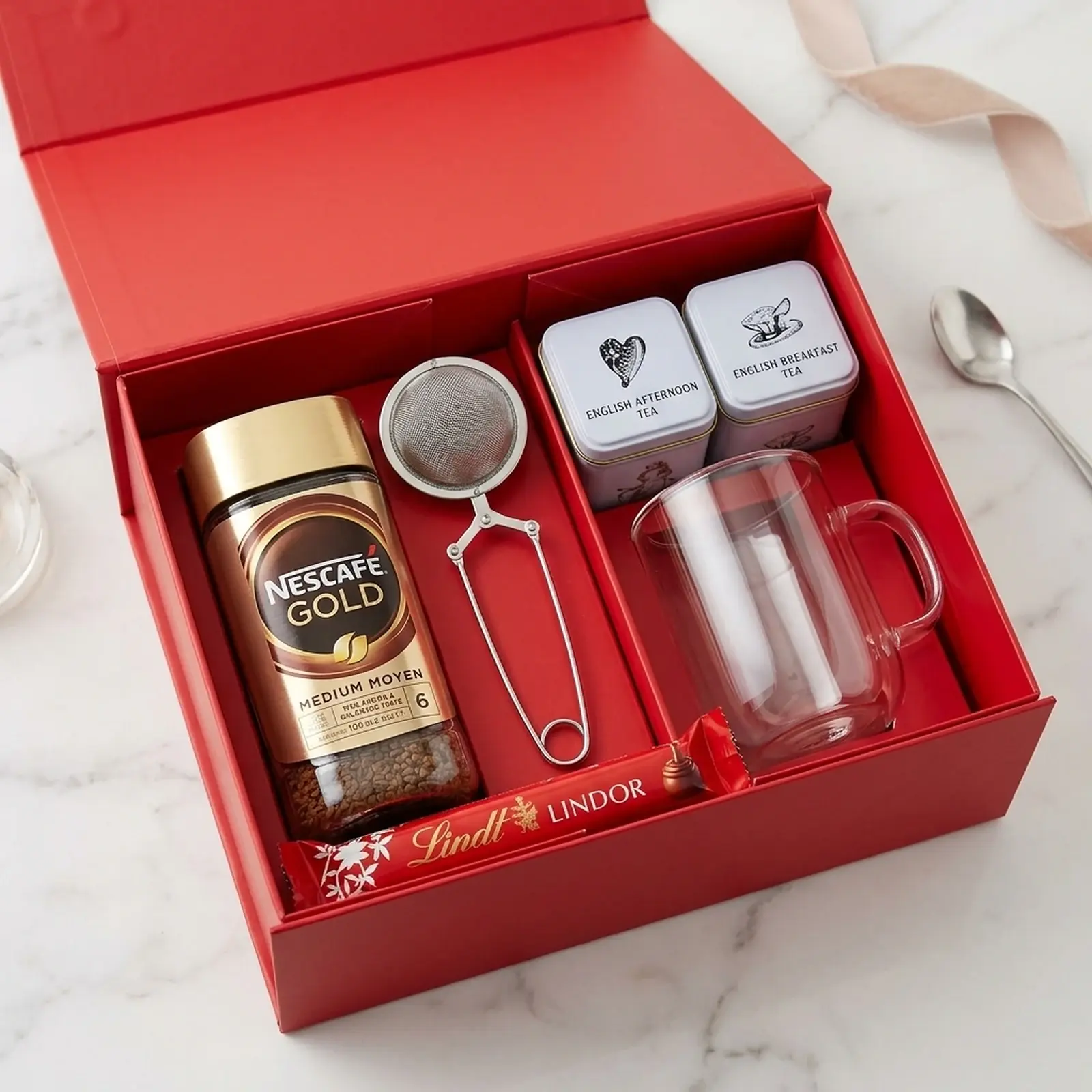
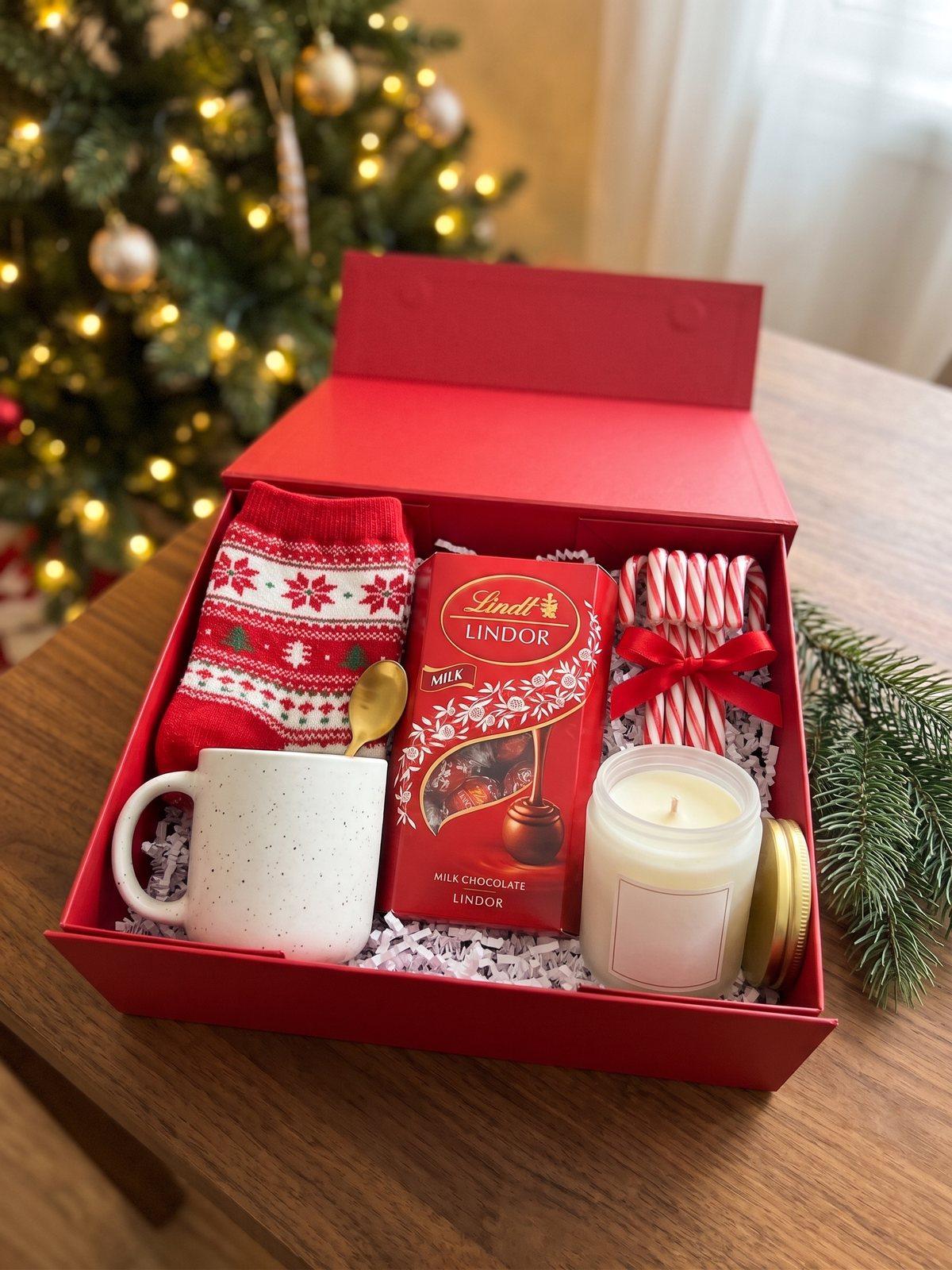
For Christmas: the Christmas Gift Basket, packed by hand with your card written out in pen, from $119 and shipped free anywhere in Canada.



In this guide
- 1. Decide who goes on the list
- 2. Handwritten or printed
- 3. Build the address list in one sheet
- 4. Address the envelopes the Canada Post way
- 5. Postage and Canada Post's dates for 2026
- 6. Work back from the dates
- 7. Sign every card in pen
- 8. What doing it yourself really costs
- Or hand the whole job to me
- The checklist
- Common questions
Someone has to get the client cards out, and this year it is you. It looks like an afternoon and turns into a week: the names live in three places, half the addresses are where the invoices go, nobody knows what a stamp costs now, and the cards go out on the twentieth to offices that closed on the nineteenth. Here is the job in the order that works, with Canada Post's own prices and dates for 2026.
1. Decide who goes on the list
A card addressed to a firm goes to reception and is opened by whoever sorts the mail. A card addressed to Sara, who signed off your invoices all year, is read by Sara. So the list is people, and you build it in this order:
- The clients you worked with this year. Pull them from your invoices or your CRM, then write beside each one the person you actually deal with. Where you deal with three people at one client, send three cards, or one to the team that says so on the envelope.
- The people who sent you work. A referral is the card most worth writing. Someone who put your name forward should hear that you noticed.
- Suppliers and partners. The printer who turned a job around overnight, the bookkeeper, the courier rep. They rarely get a card from a client, which is the point.
- Not everyone in the CRM. A card to someone you have never dealt with reads as marketing. Leave the cold leads off.
Check gift policies before you put anything inside. A plain card is rarely what a gift policy is written about. A card with something in it is different: a gift card, a treat, tickets. Banks, public bodies, health care and many large companies limit what their people can accept, and some ask staff to declare what they receive. If you are tucking something in, ask your contact first, or keep the card plain for anyone at an organization like that.
2. Handwritten or printed
Both are fine. They do different jobs, and the honest answer depends on the length of the list and the hours you have. I sell handwritten cards, so weigh what I say here with that in mind.
A sensible split for most offices: handwritten for the people you can name without looking them up, printed and signed for everyone else. What I would not do is print the signature. A printed card with a printed name under it is a flyer with a fold in it.
3. Build the address list in one sheet
This is the step that eats the week, so do it before you buy a single card. Give every card its own row, and every part of the address its own column. Split columns let you sort by province, spot a missing postal code at a glance, and paste the list into a mail merge or an order form without typing it twice.
| Name | Their company | Street address | City | Province | Postal code | Message |
|---|---|---|---|---|---|---|
| Sara Chen | Northwind Logistics | 1500-250 Harbourview Rd | Toronto | ON | M4C 1Z9 | Thank you for a steady year, Sara. Here is to the next one. |
| Daniel Okafor | Okafor Dental | 42 Birchmount Cres | Halifax | NS | B3K 2Y4 | Thank you for every referral this year, Daniel. |
| Marie-Claude Roy | Atelier Roy | 310 rue des Érables | Québec | QC | G1R 3Z1 | Merci pour cette belle année, Marie-Claude. |
Copy the column names into the first row of a new spreadsheet, or download the template as a CSV file and open it in Excel, Numbers or Google Sheets.
Name Their company Street address City Province Postal code MessageA few rules keep the sheet clean:
- The province as two letters. AB, BC, MB, NB, NL, NS, NT, NU, ON, PE, QC, SK, YT.
- The postal code in capitals, with one space in the middle. T2P 1A1, never t2p1a1 or T2P-1A1. If one looks wrong, Canada Post's Find a Postal Code tool will confirm it.
- The unit in front of the street number. 1500-250 Harbourview Rd, with a hyphen and no # sign. Canada Post also accepts it after the street, as 250 Harbourview Rd Suite 1500.
- The person's office, not the billing address. Your accounting software knows where the invoices go, which is often a head office or an accounts payable box. Ask your contact where mail reaches them in December, especially if they work from home some days.
- A column for the message. Even when most cards say the same thing, a line for the few who get something extra keeps the whole job in one place.
4. Address the envelopes the Canada Post way
Canada Post's sorting machines can read a wide range of addressing styles, but its guidelines are what get a card through the first time. Here is a card envelope set out the way Canada Post asks for it.
- Your return address, top left. Set out like the main address, never in bigger writing. Canada Post also accepts it along the top of the back. A card that cannot be delivered then comes back to you.
- The stamp, top right. On the front, in the upper right corner, as the Letter Mail Regulations put it.
- The person. First line. A title is optional; if you use one, leave off the period (MS, DR).
- The company. Under the name, when the card goes to an office. A floor or a department goes here too, always above the street line.
- The street line. The unit, a hyphen, the street number, the street name, and the street type shortened: ST, AVE, RD.
- City, province and postal code, together on the last line. One space between the city and the province, two spaces before the postal code. Leave off CANADA on mail inside Canada.
Three more of Canada Post's rules: capitals are preferred, though neat lower case is accepted; no punctuation unless it is part of a name, such as ST. JOHN'S; and every line starts at the same left edge. Accents are fine. The full set is in Canada Post's addressing guidelines.
5. Postage and Canada Post's dates for 2026
Holiday cards go as ordinary stamped mail. Weigh one finished card, envelope and all, on a kitchen scale before you buy stamps. Up to 30 g takes one stamp; a thick card, a photo or a second sheet can tip it over.
| Where it is going | Up to 30 g | 30 to 50 g | Send by |
|---|---|---|---|
| In your own city | $1.24 booklet, $1.44 single | $1.75 | December 22Tuesday |
| Within your region | $1.24 booklet, $1.44 single | $1.75 | December 21Monday |
| Across Canada | $1.24 booklet, $1.44 single | $1.75 | December 18Friday |
| United States | $1.75 | $2.61 | December 11Friday |
| United Kingdom, France, Germany, the Netherlands, Switzerland, Japan | $3.65 | $5.21 | December 11Friday |
| The rest of Europe, Asia, China, India, Australia, New Zealand, the Middle East | $3.65 | $5.21 | December 9Wednesday |
| Africa, Central and South America, the Caribbean | $3.65 | $5.21 | December 3Thursday |
Three things worth knowing at the counter. A card bigger than 245 by 156 mm, or over 50 g, is not standard mail and costs more: $2.61 up to 100 g inside Canada (Canada Post's size rules). Stamps marked P, for Permanent, are always accepted at the current domestic rate, so a booklet left over from this year still works next year. And Canada Post gives its card dates by local, regional and national zone; if you are not sure which one a client is in, use the national date.
Sending a gift basket or a parcel rather than a card? Parcel dates come earlier, and they are in Christmas shipping deadlines in Canada for 2026.
6. Work back from the dates
Canada Post's dates are the latest it recommends sending for the holidays. That is not the date that matters for a client. Offices thin out in the last week before Christmas, and a card that lands after someone's last day sits in the mail tray until January. So plan for the cards to land in the first half of December, and treat Canada Post's dates as the backstop. The filled squares below are Canada Post's dates; the open ones are steps for you.
7. Sign every card in pen
The signature is the part people look at first, so make it a real one. Sign every card in pen, ideally by the person the client actually deals with, with the name the client calls them. One familiar signature says more than eight from people they have never met.
Add one line by hand, even on a printed card: their name and one specific thing from the year. If the words will not come, there are lines you can copy in what to write in a Christmas card to a client. On a mixed list, “happy holidays” is the safe greeting; keep “Merry Christmas” for the clients you know celebrate it. Leave out the business card and the offer. A card that sells is read as an ad.
8. What doing it yourself really costs
The cards and the stamps are the small part. The time is the big one: a line, a signature, an address, a stamp and a seal take a few minutes a card, and forty cards is an afternoon. Put your own numbers in.
And the costs that do not fit in a calculator: the second trip to the post office for the cards that turned out heavy, the printer's charge for putting a logo on the cards, and the ones that come back because the address was a billing box.
Or hand the whole job to me

I write holiday cards by hand for companies. You send the list and the wording, and I do everything from the pen onward: $9 a card from 20 cards, with the postage in and no tax added, and your logo printed on every card, free.
I write each card in pen and post it to its person, or send the whole set to your office in one parcel for you to hand out. Every envelope carries your company's name and address as the return address. Send me the list by November 28 and the cards go in the post in the first week of December.
The list can be the same columns as the sheet above, pasted from a spreadsheet or uploaded as a CSV. After you pay, email your logo to team@swipegifts.com as a PNG or a PDF. For $19 a card I tuck a small flat treat in beside it; check the gift policy point above before you choose that for a bank or a public body.
The checklist
Common questions
How much is postage for a Christmas card in Canada in 2026?
When should I mail Christmas cards in Canada in 2026?
How do I address an envelope in Canada?
Should holiday cards to clients be handwritten?
Who should get a holiday card from a business?
How much does it cost to have holiday cards handwritten?

Keep reading
Rather not write them all yourself?
Write to me at team@swipegifts.com with roughly how many cards and where they go, and I will tell you what it comes to. Or order online, from 20 cards at $9 a card with the postage in.